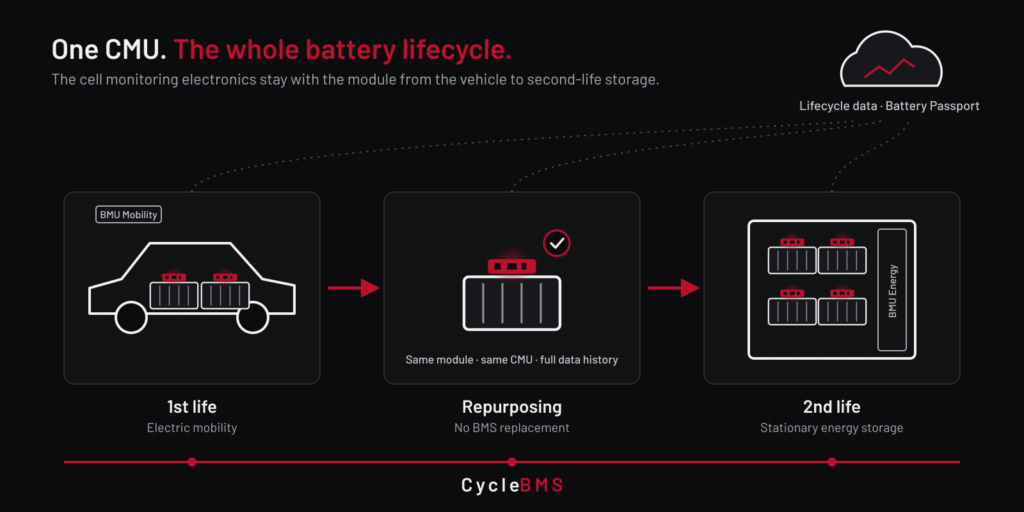
Today, giving an electric-vehicle battery a second life in stationary energy storage usually means removing its original Battery Management System and installing a new one. EV packs and storage systems work at different voltage levels, and their BMSs often use closed communication protocols. On top of that, second-life integrators rarely get any data on how the cells were used or how much they have degraded.
With CycleBMS, Wattius is developing a flexible, interoperable and connected BMS platform designed to stay with the battery for its entire life:
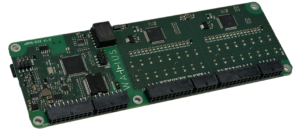
- One CMU, both lives. The cell monitoring unit (CMU) mounted on each cell module is compatible with both mobility and stationary applications, so it no longer needs to be replaced when the module is repurposed. Two application-specific BMUs, one for mobility and one for energy storage, work with the same CMU.
- Lifecycle data in the cloud. The BMS sends usage and degradation data to a cloud platform during the first and second life. This supports the Battery Passport approach of EU Regulation 2023/1542 and gives second-life operators a real history of every module.
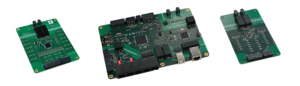
- Automated validation. Hardware-in-the-Loop test benches and automated test tools bring the development and validation process in line with the requirements of the mobility and automotive sector.
By making reuse simpler and cheaper, CycleBMS helps extend the useful life of batteries and supports a more circular battery value chain.
CycleBMS project, funded by the Ministerio de Industria, Comercio y Turismo (Spanish Ministry of Industry, Trade and Tourism) under Royal Decree 661/2023 of 18 July.